Did you know that a neglected driveway can lose up to 50% of its structural integrity within just five years of installation? In a city like Richmond, where the humidity swings from swampy to bone-dry in a single week, your pavement is essentially a living, breathing entity that requires more than just an occasional sweep.
If you treat your driveway carelessly, you are essentially watching your property value erode with every rainstorm. High-quality maintenance is the difference between a sleek, welcoming entrance and a crumbling eyesore that eats tires for breakfast.
Why Does Richmond Weather Attack Your Pavement?
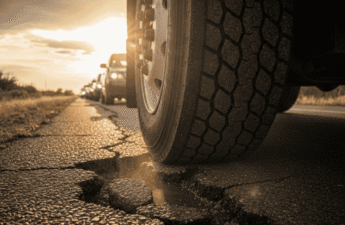
Our local climate is particularly harsh on asphalt and concrete, and the freeze-thaw cycles we experience during the transition months create hydraulic pressure that can crack even thick slabs. When water seeps into tiny pores and expands as ice, it exerts enough force to widen microscopic cracks into gaping potholes.
How often should you seal a driveway in Virginia?
Most experts suggest a fresh seal coat every three to five years. If you wait until the surface looks like a gray, dusty desert, the oxidation has already made the binder brittle. Think of sealant as sunscreen for your home. Without it, the UV rays bake the oils out of the asphalt, leaving it prone to raveling and failure.
The Hidden Science of Proper Drainage
Most homeowners focus on the surface, but the real war is won underground. If water pools near your garage or at the edges of your paving, it saturates the sub-base. A soft base can cause alligator cracking, the distinctive pattern of interconnected cracks resembling reptile skin.
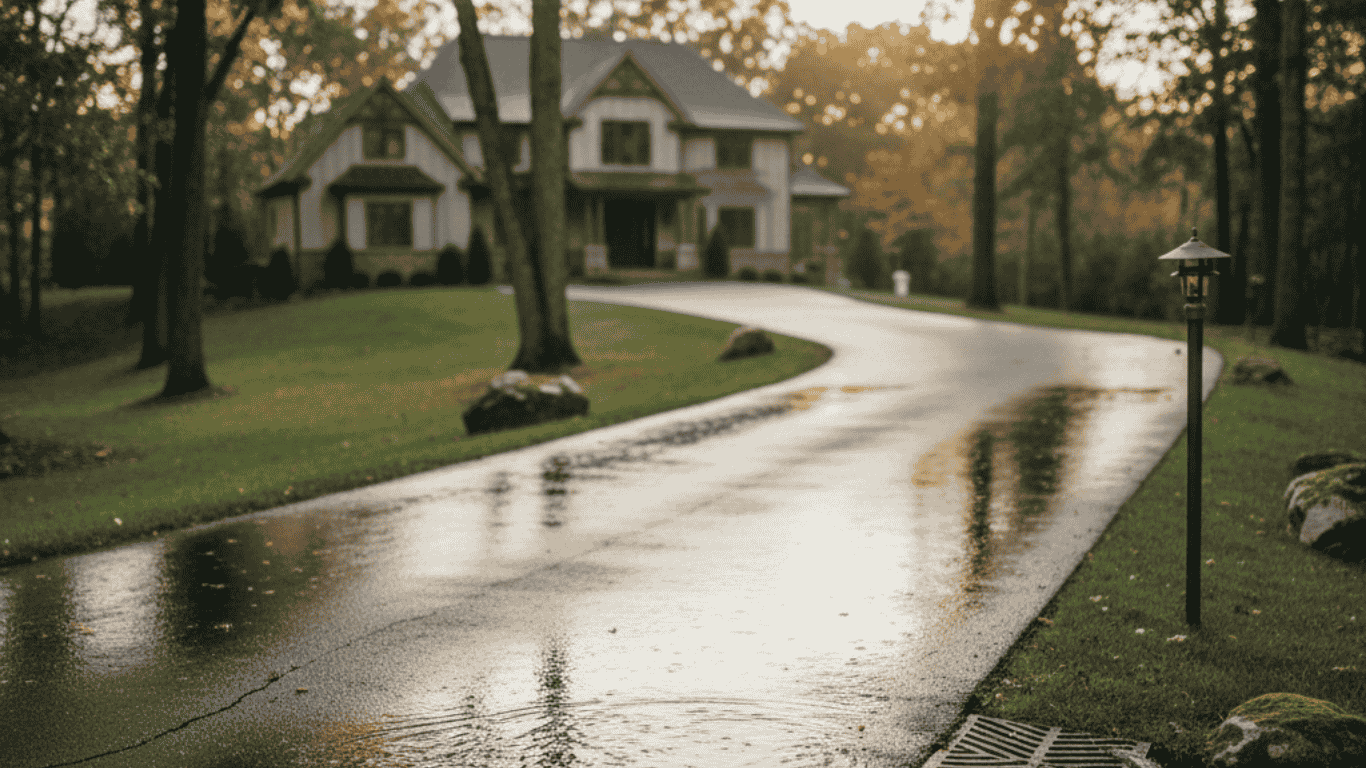
Most of the premature pavement failures in the Mid-Atlantic region are attributable to poor water management rather than heavy traffic. Installing French drains or ensuring a 2% slope away from structures can prevent the soil from shifting. When the foundation remains dry, the surface remains stable.
The Maintenance Checklist for Longevity
- Quarterly Inspections: After a heavy Richmond downpour, walk your driveway to identify standing water.
- Immediate Crack Filling: Any gap wider than a quarter-inch is an open invitation for weeds and water.
- Oil Stain Removal: Fluid leaks from vehicles act as solvents that dissolve asphalt’s chemical bonds.
- Edge Protection: Keep mulch and heavy soil away from the edges to prevent moisture retention.
Is Professional Paving Worth the Investment?
While a DIY bucket of sealant from a big-box store might seem tempting, it lacks the polymer-modified solids found in commercial-grade mixes. Fortunately, you can take the expertise of seasoned professionals. Those seeking top-tier expertise for driveway paving in Richmond VA, can contact concrete contractors, who deliver precision that manual methods cannot match. These experts understand the specific soil composition of the James River basin, ensuring that your installation is a multi-decade asset. Their focus on high-PSI mixes and reinforced sub-grades sets the gold standard for local durability.
Does Crack Repair Actually Work?
You might wonder if filling a crack is just a cosmetic bandage. In reality, modern hot-pour rubberized fillers bond to pavement sidewalls, creating a flexible seal that moves with the ground. A case study of residential properties in Henrico County found that proactive crack sealing reduced total replacement costs by more than 40% over fifteen years. By spending a few hundred dollars today, you are effectively dodging a ten-thousand-dollar bill a decade from now.
Final Thoughts on Pavement Care
Maintaining your driveway is more about protecting one of the most expensive components of your exterior landscape. By staying ahead of the Richmond humidity and addressing drainage issues early, you ensure your home stays accessible and beautiful.